Stabilizing Sugar Levels
Polycystic ovary syndrome (PCOS) is a complex hormonal
disorder that frequently occurs in women of reproductive
age and is commonly linked to insulin resistance. Insulin
resistance occurs when the body’s cells fail to respond
efficiently to insulin, leading to elevated levels of
insulin and glucose in the bloodstream. This metabolic
imbalance can contribute to various symptoms associated
with PCOS, including weight gain, irregular menstrual
cycles, and increased risk of type 2 diabetes.
To help manage insulin resistance, it is crucial to
focus on a diet that includes foods with a low glycemic
index (GI) and are the Benefits of Diet and Exercise for PCOS.
Low-GI foods, such as whole grains, legumes,
fruits, and non-starchy vegetables, release sugar more
slowly into the bloodstream. This slower release helps
stabilize blood sugar levels and reduces the demand for
insulin, which can improve overall insulin sensitivity.
Incorporating these foods into your daily meals not only
supports better insulin management but also contributes
to a balanced and nutritious diet. By emphasizing low-GI
options, individuals with PCOS can take proactive steps
toward managing their symptoms and improving their
long-term health (Catalyst, 2024).
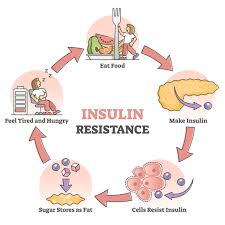 (Catalyst, 2024)
Counteract High Insulin
Effectively managing Polycystic Ovary Syndrome (PCOS)
involves regulating insulin levels, which play a crucial
role in the condition. High insulin levels can stimulate
the production of androgens, the male hormones that are
often elevated in individuals with PCOS. This increase in
androgen levels can contribute to a range of symptoms,
including irregular menstrual cycles, acne, and excessive
hair growth. Furthermore, elevated insulin can make weight
loss more difficult, as it promotes fat storage and can
lead to increased cravings for sugary and high-carbohydrate
foods. Therefore, focusing on strategies to balance
insulin—such as dietary changes, regular exercise, and,
in some cases, medication—can be essential for improving
overall health and alleviating the symptoms of PCOS (Vergis, 2024).