Focus on Good Nutrition
Incorporate anti-inflammatory foods into your diet to help
manage symptoms of PCOS, as this condition is often
associated with low-level chronic inflammation. Consider
including fatty fish, such as salmon and mackerel, which
are rich in omega-3 fatty acids known for their anti-
inflammatory properties. Additionally, use extra virgin
olive oil as a healthy fat option, as it contains
antioxidants and beneficial compounds that can reduce
inflammation. Don’t forget to add a variety of leafy
greens, such as spinach, kale, and Swiss chard, to
your meals, as they are not only nutrient-dense but
also help combat inflammation and support overall
health. Adopting a diet rich in these foods can play
a significant role in managing PCOS effectively
(Watson, 2023).
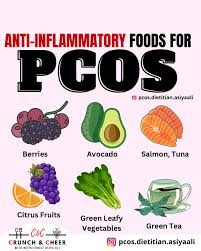 (Watson, 2023)
Increase Fiber and Magnesium
Consuming high-fiber foods, such as lentils and avocados,
can significantly enhance digestive health. Fiber aids in
promoting regular bowel movements, preventing constipation,
and fostering a healthy gut microbiome. Additionally,
incorporating magnesium-rich foods like almonds and spinach
may be beneficial for individuals managing Polycystic
Ovary Syndrome (PCOS). Magnesium and adding
Supplement Support plays a crucial role in regulating
insulin levels and can help alleviate some symptoms
associated with PCOS, thereby promoting overall hormonal
balance and reproductive health (Watson, 2023).
Reduce caffeine and sugar
Excessive consumption of caffeine and sugar can significantly
disrupt hormonal balance and impair insulin sensitivity,
leading to potential health issues such as increased stress,
energy crashes, and metabolic disturbances. To promote better
hormonal health and stabilize blood sugar levels, consider
incorporating herbal teas into your daily routine. Herbal teas,
which are often lower in caffeine and free from added sugars,
can offer a variety of health benefits and flavors, making
them a soothing and nutritious alternative to traditional
caffeinated beverages (Watson, 2023).