Medications
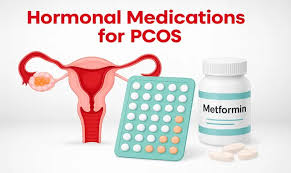
In addition to traditional birth control methods, certain medications
used in the management of diabetes, such as metformin, have been
found to be effective in addressing insulin resistance. Metformin works
by improving the body’s sensitivity to insulin, which can lead to lower
insulin levels and a reduction in circulating androgen levels. This is
particularly beneficial for individuals experiencing hormonal
imbalances, as high androgen levels can contribute to various health
issues, including polycystic ovary syndrome (PCOS). By targeting both
insulin resistance and androgen production, metformin can play a crucial
role in improving overall hormonal balance and Managing Symptoms.
 (2025)
The medication you need depends on your symptoms and what you
require. It’s essential to talk to a healthcare professional to find the
best treatment for you.
Why Are Hormonal Pills Commonly Prescribed for PCOS?
- Irregular ovulation (or no ovulation at all)
- Elevated luteinizing hormone (LH) levels
- Excess testosterone in circulation
Infertility Treatment
If you are trying to conceive, your doctor may recommend a
variety of approaches tailored to your specific situation. These
could include medication to regulate your hormonal levels,
improve ovulation, or address underlying health issues
that may be affecting fertility. In addition to medical treatments,
your healthcare provider might suggest Lifestyle Changes such as
adopting a balanced diet, maintaining a healthy weight, exercising
regularly, and reducing stress, all of which can positively influence
your chances of becoming pregnant. For couples facing more
significant challenges, in-vitro fertilization (IVF) may be considered
as a viable option. This advanced reproductive technology involves
extracting eggs and sperm to create embryos in a laboratory, which
are then implanted in the uterus. Ultimately, your doctor will work
with you to develop a personalized plan that considers both your
health and your desire to start or expand your family.
Together, they can explore effective treatment options, which may
include therapy, lifestyle modifications, or medication, to help manage
these emotional struggles and improve mental health outcomes.
Addressing these concerns is crucial for holistic care and can lead to a
better understanding of both the physical and emotional aspects of
living with PCOS.
Professional Guidance
Regular consultations with a healthcare professional are essential for
the comprehensive diagnosis and treatment of Polycystic Ovary Syndrome
(PCOS). These appointments allow for a thorough evaluation of symptoms,
including irregular menstrual cycles, weight fluctuations, and hormonal
imbalances. Additionally, healthcare providers can create a tailored treatment
plan that may include lifestyle modifications, medications, and ongoing
monitoring to manage both immediate symptoms and Long-Term Health Risks.
Engaging in open discussions with a specialist helps ensure that patients
receive personalized support, education, and resources, ultimately improving
their overall quality of life and well-being.
(Perry, 2022)