Emotional Impact
Polycystic Ovary Syndrome (PCOS) is a complex hormonal
disorder that can trigger a range of physical and psychological
changes in those affected. The physical symptoms, such as
irregular menstrual cycles, weight gain, and acne, can contribute
to emotional distress. Many individuals with PCOS experience
heightened levels of anxiety and depression due to the challenges
of managing their symptoms and the societal pressures surrounding
body image and fertility. These feelings can be exacerbated by
hormonal imbalances that impact mood and energy levels. As a result,
self-esteem can take a significant hit, leading to a cycle of negative
emotions and further mental health challenges. Understanding these
interconnected factors is crucial for providing comprehensive support
and care for those living with PCOS.
Incorporating a balanced diet and regular exercise into one’s lifestyle
not only facilitates weight reduction but also promotes better physical
and mental well-being.
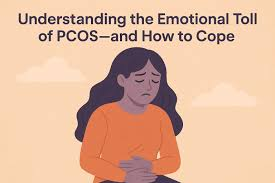 (Bernabe, 2025)
Polycystic ovary syndrome (PCOS) can lead to emotional problems
like anxiety and depression. This happens because of physical symptoms
such as weight gain, unwanted hair growth, and infertility. These
symptoms can lower self-esteem and create a negative body image.
Additionally, stress and hormonal changes can increase the risk
of mental health issues.
Seeking Support
Participating in peer support groups can provide invaluable emotional
and practical assistance, as these communities often share lived experiences
and coping strategies. Collaborating closely with healthcare teams ensures
that you receive comprehensive care tailored to your specific needs and
Medical Management. Additionally, maintaining open lines of communication
with your doctor is crucial; regular check-ins can help track your progress,
address new concerns, and adjust treatment plans as necessary. Together,
these approaches can significantly alleviate both the daily challenges and
the long-term burden associated with managing your condition.
Tips for easing stress
- Go for a walk
- Talk to a trusted friend
- Do breathing exercises
Societal Stigma and Misconceptions
Living with Polycystic Ovary Syndrome (PCOS) often means navigating
a complex landscape filled with societal stigma and prevalent misconceptions
about the condition. Many people may not fully understand what PCOS
entails, leading to stereotypes and unwarranted judgments. This lack of
awareness can result in feelings of isolation for those affected, as they
may struggle to find support or empathy from friends, family, and even
healthcare providers. Additionally, the emotional toll of managing this
chronic condition can be compounded by these societal pressures,
impacting both personal relationships, mental well-being, and
Managing Symptoms. Individuals may experience anxiety,
depression, or frustration as they try to cope with their symptoms in an
environment that often lacks understanding and compassion.